










Fashion does not, traditionally, have a problem with more. More collections, more drops, more shoes, more reasons to buy them. The subsequent markdown rail is generally considered tomorrow’s problem.
Alejandro Porras had another idea. At ALOHAS, the Barcelona brand he founded with ambitions that have since stretched far beyond footwear, new designs are launched through pre-order before larger production quantities are decided. It’s a decidedly rational approach to an industry that isn’t always famous for rational behaviour.
“The next generation of brands will need to be much more intentional about what they produce, why they produce it and how much they produce,” says Porras. “Responsibility alone is not enough to build a fashion brand. The product still has to create desire.”
And desire, naturally, is where the shoes come in.
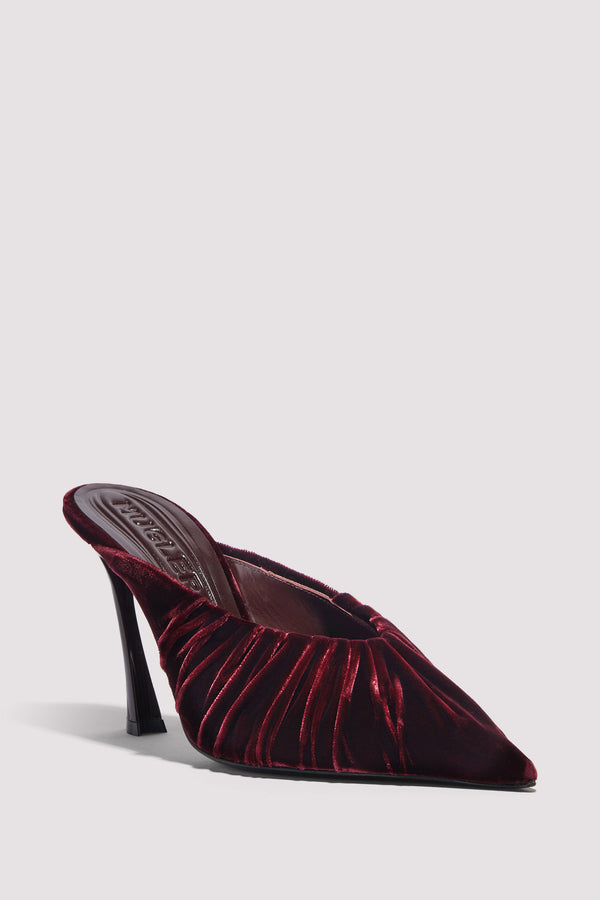
ALOHAS began by taking familiar footwear and making it feel just unfamiliar enough: shifting a proportion, playing with fabrication or altering the shape of a toe. Porras describes the goal as finding the point between something directional and something a woman will actually wear. “If a product is only wearable, it can become anonymous. If it is only directional, it may create an exciting image but never become part of a woman’s life.”
It’s a philosophy that owes something to the brand’s hometown. Porras describes Barcelona as beautiful without being “overly polished or formal”, a distinction that feels increasingly desirable in itself. “For me, the ambition is not to communicate Barcelona through obvious references. It is to transmit its attitude: creative, open, sensual, spontaneous and confident without being too serious.”
That ease is evident in the product. ALOHAS shoes are designed to have presence without requiring an entirely new personality to wear them. “A great shoe changes the way you feel when you wear it,” says Porras. “The right shoe changes your posture, the proportion of an outfit and sometimes even your confidence.” Comfort matters, too. “A beautiful shoe that remains in the wardrobe has failed in an important way.” A surprisingly sensible sentiment for fashion.
But ALOHAS’s more disruptive idea has little to do with heel heights. Its on-demand model challenges fashion’s traditional cycle of forecasting vast quantities months ahead and discounting whatever remains. New designs are introduced through pre-order, allowing the company to gauge genuine customer demand before committing to full production.
“The next generation of brands will need to be much more intentional about what they produce, why they produce it and how much they produce,” Porras explains. Yet he is equally clear that good intentions cannot compensate for mediocre clothes. “Responsibility alone is not enough to build a fashion brand. The product still has to create desire.”
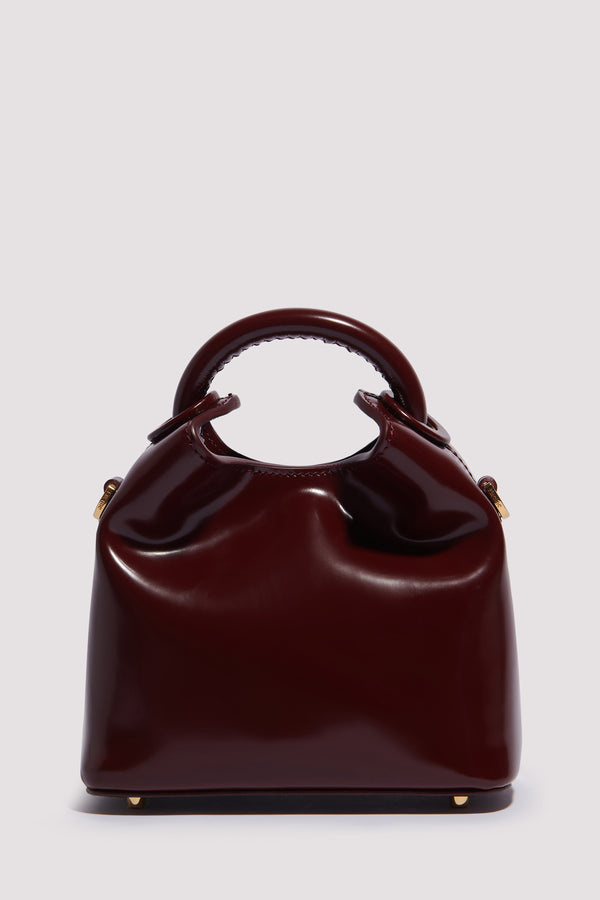
Today, that ambition extends beyond the shoe cupboard. ALOHAS has explored ready-to-wear and is continuing to develop accessories, creating what Porras describes as a broader “ALOHAS universe”. Expansion, however, comes with a useful test: “If the ALOHAS name were removed, would the product still feel recognisably ours? If the answer is no, it needs more work.”
It is an approach particularly suited to a moment when customers can discover a young Barcelona label as easily as a century-old Parisian house. For Porras, this is also changing our understanding of luxury. “Modern luxury is becoming less about distance and more about meaning,” he says. “Heritage remains powerful, but it is no longer the only route to credibility.”
Five years from now, Porras wants ALOHAS recognised not simply for a handful of cult shoes, but for an entire point of view. More accessories, international stores and carefully chosen collaborations are all part of the plan. But growth, he insists, cannot come at the expense of character.
“Scale matters to us, and our ambition is significant, but I do not want growth to remove the magic.”
In an industry where bigger so often means more, perhaps knowing how to edit is the greater luxury.


